
Interval Training: What It Is, Why It's Great and How to Build It Into Your Life
An SPA Community Post for paid subscribers who want to enjoy Sustaining Physical Activity

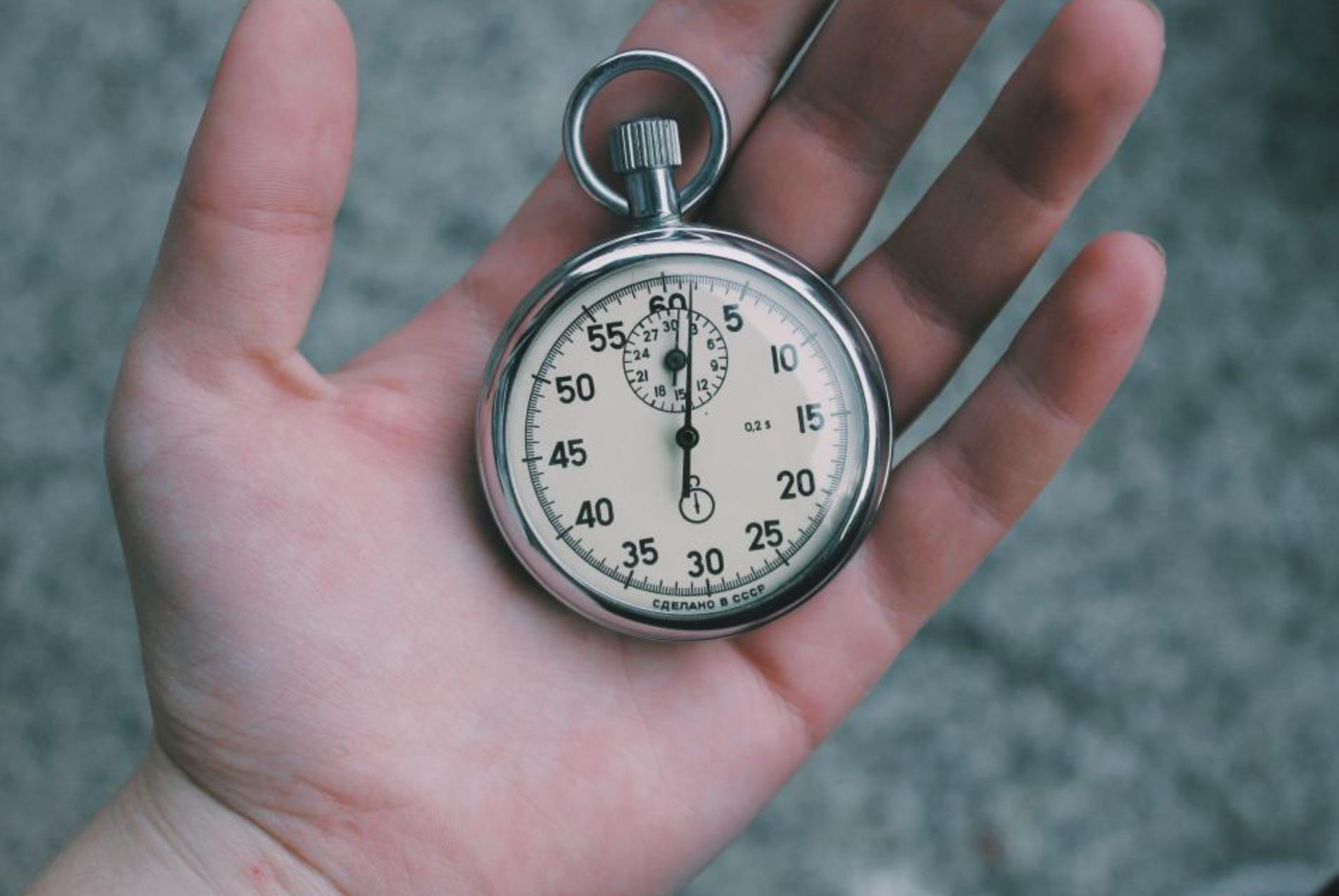
I remember reading an interview with the former marathon world-record holder, Eliud Kipchoge, in which the interviewer asked if he had any advice to offer amateur runners who wanted to get faster. Kipchoge responded with something like, “well, have you tried just running faster?”
His answer’s brutal simplicity made me laugh, but I think he also alights on a difficult truth which applies to life beyond running too: that sometimes we spend a lot of time looking for hacks or bypasses - such as protein supplements, new shoes, new tech - which we hope will do all the hard work for us, but that these are largely illusions. To get faster, there’s really no way around it. We just have to run faster, and to fully immerse ourselves in all the physical sensations that it initially entails: the pumping heart, the sweat, the rapid breathing, the nausea, the lactic-acid induced aches in our quads and calves, the post-workout stiffness. Over time, our hearts, lungs and muscles will grow stronger and more mobile, and we’ll be able to move faster without such an intensity of these accompanying sensations.
But Kipchoge’s response also betrays a comic lack of comprehension of the sheer amount of hard work that’s involved for amateur runners who want to move faster, and of the extreme intensity of the physical sensations that arise when we push ourselves beyond our comfort zones for sustained periods of time. My experience is that, if we come to hate the initial feeling of running faster, then we simply won’t do it; and then we won’t ever get fitter, stronger, more mobile or faster. So it’s important to find a way to garner the benefits of pushing ourselves outside our comfort zones, without putting ourselves off running altogether.
(By the way, I don’t think that it’s obligatory for runners to want to get faster. I’ve written a lot about how runners are subject to the pressure to be constantly ‘improving’, and that, actually, if we jettison this desire - which isn’t sustainable in the long term anyway - we find other, arguably more profound, pleasures in physical activity. But it is also true that certain pleasures do come along with running faster, and that many runners want to do so - so, if that’s you, then I hope you’ll enjoy this post.)
So what is interval training?
Interval training is a session in which we push ourselves for short intervals of time, and then allow ourselves short periods of rest, and then repeat. So, for example - and I’ll outline some different interval sessions below - it might involve a warm up, followed by 90 seconds of running fast (at around 90% of your maximum capability), then 120 seconds of slow jogging; then another 90 seconds of running fast, another 120 seconds recovery, and so on, followed by a cool-down.
And why is it good?
It’s a way of easing our bodies into running faster, without making the experience totally off-putting. There’s a lot of research showing that interval training is excellent for boosting the health of our cardiorespiratory systems. It increases the speed with which oxygen is transported to our muscles by our hearts and lungs, it increases our endurance, it increases our ability to function anaerobically (when we’re exercising so intensely that the demand for oxygen outstrips the supply, and our body has to derive energy from glucose in the muscles), and it improves our metabolic health (how our bodies process nutrients and regulate energy, even when we’re not running).
Interval training can have benefits for runners and other physically active people of all levels, from complete beginners to international champions, because it can push us beyond a ‘plateau’ when our abilities don’t seem to be improving any more. It’s also a way of getting fitter and faster whilst minimising the toll on our bodies, because doing a 40-minute interval session can have similar benefits, fitness-wise, to running, say, 13 miles faster than our usual pace, but it requires less recovery and exerts less stress on our muscles and joints. And it can help endurance runners because, if you run for 30-45 mins after your interval session has ended, it can mimic the experience of running on tired legs.
Most importantly, intervals can be really fun! To me, a good interval session feels like a good night in a club. (Writing that down makes me feel so old and, as my kids would say, so ‘cringe’) I do my interval sessions on a treadmill, and put on loud dance music, and it’s one of the most reliable ways for me of experiencing the rush of a runner’s high.
